
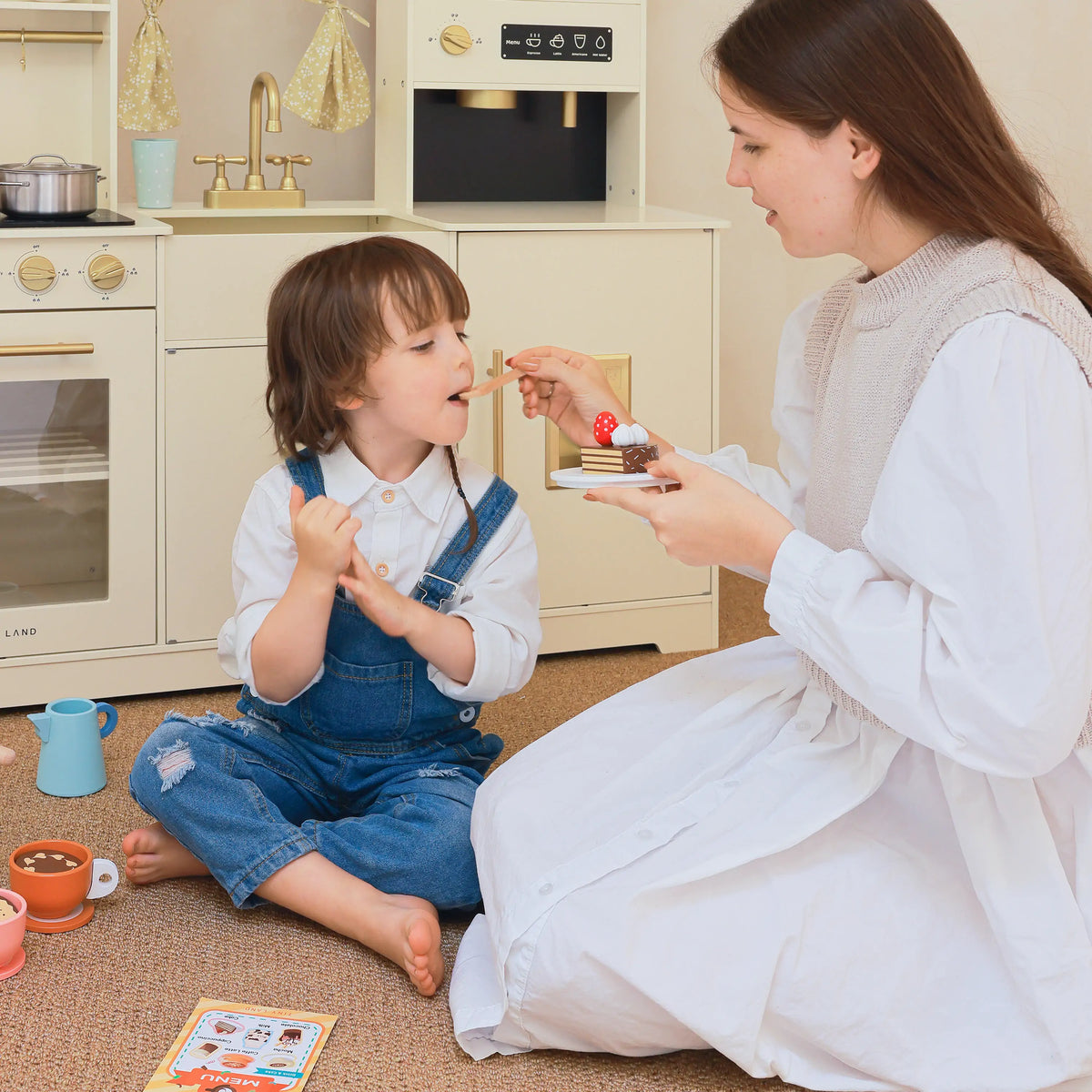
For many American families, screen time has become less about one device and more about the rhythm of the entire home. Screens can help children connect, learn, and create, but they can also make it harder to slow down, concentrate, and take ownership of everyday tasks. Montessori offers a useful way forward: instead of treating technology as the only problem, focus on building an environment where children have meaningful choices, real responsibilities, and plenty of time to work with their hands.
Why screen time feels so disruptive at home
Digital activities are designed to be engaging. That can make the transition from a fast-moving game or video to getting dressed, eating breakfast, or putting toys away feel especially difficult. Young children are still developing self-regulation, so they often need the environment and the adults around them to provide structure.
A Montessori approach does not depend on constant entertainment or a perfect no-screen rule. It starts with a simpler question: does the child have satisfying, purposeful things to do when the screen is turned off?
Build a home environment that invites independence
Children are more likely to step away from a screen when the next activity is visible, accessible, and worth doing. Try creating a few simple invitations to work:
- Keep a small shelf of rotating books, puzzles, art materials, and hands-on activities where your child can reach them.
- Place child-sized tools nearby, such as a low hook for a coat, a small basket for laundry, or a pitcher and cup for pouring water.
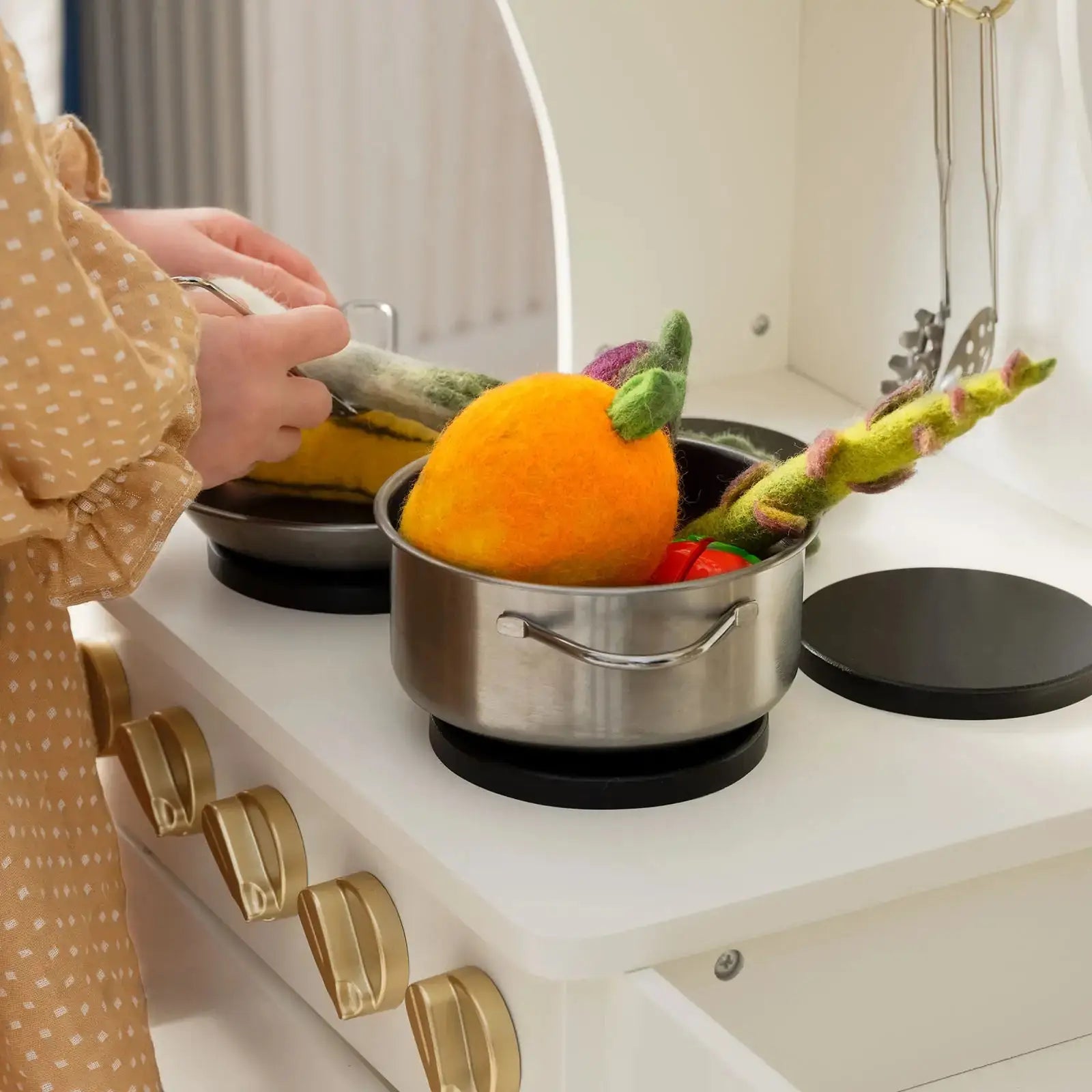
- Offer real household work, including washing produce, folding napkins, watering plants, or preparing a simple snack.
- Leave enough open space for movement, building, and imaginative play instead of filling every moment with planned activities.
The goal is not to create a picture-perfect Montessori room. It is to remove unnecessary barriers so your child can begin something independently.
Use clear, calm boundaries around devices
Children do better with screen boundaries they can predict. Choose when screens are available, where they are used, and what happens before and after. For example, a family might decide that devices stay out of bedrooms, are used after morning routines are complete, and are returned to a charging spot when the agreed time is over.
Keep the language short and steady. “The tablet is finished. You can choose drawing or helping me wash the fruit” gives a child both a boundary and a next step. Long negotiations often make the transition harder for everyone.
Visual cues can help, especially for younger children. A simple picture routine, timer, or sandglass can make the end of an activity feel less sudden. These tools are not bribes. They make the sequence easier to understand.
Replace screen time with real connection, not busywork
If the only alternative to a screen is an adult saying “go find something to do,” the transition may fail. Offer a small menu of meaningful choices instead:
- “Would you like to build with blocks or make a collage?”
- “Would you like to help prepare the snack or water the plants?”
- “Would you like to take a walk or set the table?”
These choices protect the child’s growing independence while keeping the adult from becoming a full-time activity director. Over time, children learn that home contains many satisfying ways to spend their attention.
Protect uninterrupted concentration
Montessori classrooms place real value on uninterrupted work because concentration develops through practice. At home, that may look like protecting a few quiet minutes for a child to build, draw, read, sort, or repeat a practical-life activity without being rushed.
Watch for what absorbs your child. If they return to the same puzzle, construction project, or water activity several times, resist the urge to replace it immediately. Repetition is not wasted time. It is how children refine movement, solve problems, and build confidence.
Model the relationship with technology you want to see
Children notice how adults use phones more than they notice our explanations about responsible use. Put your own device away during meals, conversations, and parts of the evening when possible. Let your child see you choosing a book, preparing food, repairing something, or simply sitting without a screen.
This does not require perfect behavior. A brief, honest explanation such as “I need to send this message, then I’m putting my phone away” shows that technology can be used intentionally rather than automatically.
Start with one change this week
Families do not need to redesign their whole home or eliminate every digital activity. Start by choosing one predictable device boundary and one appealing hands-on alternative. You might create a charging station outside the bedroom and set up a small shelf with art supplies, books, and a practical-life activity.
Then observe. Is the transition easier? Does your child need fewer reminders? Which activities lead to the deepest concentration? Montessori is grounded in observation, so let your child’s real behavior guide the next small adjustment.
Technology is part of modern family life, but it does not have to crowd out independence. When children have access to purposeful work, clear limits, and time to concentrate, they gain something more lasting than a distraction: the confidence to participate in their own lives.
Ready to make everyday moments more independent? Explore our Montessori-inspired materials and choose a simple, hands-on addition to your child’s home environment today.

Hinterlasse einen Kommentar
Alle Kommentare werden vor der Veröffentlichung geprüft.
Diese Website ist durch hCaptcha geschützt und es gelten die allgemeinen Geschäftsbedingungen und Datenschutzbestimmungen von hCaptcha.