

The Montessori approach to education has steadily gained recognition across the United States for its unique focus on empowering children to become independent, curious learners. Rooted in observing how children naturally absorb knowledge, Montessori education offers an alternative to conventional schooling that emphasizes hands-on experiences and self-directed growth. This article dives into the foundations of the Montessori Method, its classroom environment, curriculum, and the developmental benefits it fosters, helping families understand why Montessori is important when choosing an educational path.
What Is Montessori Education?
Montessori education, founded by Dr. Maria Montessori in the early 20th century, centers on nurturing each child's innate desire to learn. Unlike traditional education that often relies on teacher-led instruction and rigid schedules, the Montessori Method is child-centered, emphasizing hands-on activities and self-directed exploration. Children engage with specially designed materials at their own pace, fostering autonomy and deep understanding. This approach creates a dynamic learning experience distinct from conventional classrooms, offering a more flexible and individualized journey for each student.
Core Principles of the Montessori Method
At the heart of Montessori education is profound respect for the child as an active participant in their development. One cornerstone is "freedom within limits," where children exercise choice but within a structured environment that cultivates responsibility. The concept of the absorbent mind explains how young children effortlessly soak up knowledge during sensitive periods when certain skills and interests peak. Individualized learning allows each child to progress according to their readiness. The prepared environment, carefully organized to encourage exploration, supports intrinsic motivation, fostering concentration and a genuine love for learning. Collectively, these principles create a learning atmosphere that balances guidance and freedom, maximizing developmental potential.
Exploring the Montessori Classroom Environment
Montessori classrooms are thoughtfully arranged to promote independence and focus. Child-sized furniture and open shelves displaying accessible materials create a welcoming and orderly space. These environments often consist of multi-age classrooms, mixing children typically spanning three years in age, which encourages mentorship and peer learning. Such settings encourage children to move freely yet responsibly, exercising "freedom within limits." The space supports self-directed learning by allowing students to choose tasks aligned with their interests while fostering respect for materials and peers.
Montessori Curriculum and Learning Areas
The Montessori curriculum is comprehensive yet flexible, structured into key areas: practical life, sensorial, language, math, and culture. Practical life activities help children develop coordination, independence, and everyday skills. Sensorial lessons aid in refining the senses and cognitive skills through hands-on materials. Language and math components introduce abstract concepts concretely, allowing gradual mastery. Cultural studies encompass geography, science, and the arts, expanding children's global awareness. This curriculum is adaptable to various developmental stages, offering experiential learning that nurtures intellectual growth alongside social and emotional skills.
Benefits of Montessori Education for Child Development
Montessori education delivers measurable benefits across academic, social, and emotional domains. Children develop strong concentration and self-discipline as they engage deeply in chosen activities. The emphasis on independence builds confidence and intrinsic motivation, leading to lifelong learning habits. Studies linked to the American Montessori Society reveal that students often demonstrate improved problem-solving abilities and reduced anxiety compared to peers in traditional settings. Emotional well-being is fostered through respectful environments where children feel secure. Overall, Montessori nurtures balanced individuals equipped with skills and attitudes that extend well beyond the classroom.
How Montessori Supports Social and Emotional Growth
Social development thrives within the multi-age, community-oriented Montessori classroom. Children learn to navigate conflicts constructively and develop empathy by interacting with peers of various ages. The balance of freedom and structure offers emotional security, enabling students to take social risks confidently. Opportunities for leadership naturally arise as older children mentor younger ones, reinforcing cooperation and mutual respect. This environment cultivates collaboration skills essential for lifelong success.
Choosing a Montessori School: What to Look For
Selecting an authentic Montessori school involves evaluating accreditation by recognized bodies like the American Montessori Society (AMS) or the Association Montessori Internationale (AMI). Schools should maintain fidelity to Montessori principles through trained teachers committed to ongoing education. Visiting to observe a truly prepared classroom environment with accessible materials and multi-age groupings can reveal the quality of implementation. Prospective parents benefit from asking about teacher qualifications, classroom routines, and how freedom is balanced with boundaries to ensure developmental support.
Common Myths and Misconceptions About Montessori Education
Many misunderstand Montessori education as only suitable for preschool or lacking academic rigor. In reality, Montessori blends structure and freedom to foster discipline while encouraging exploration. It is not an unstructured play space but a carefully prepared environment fostering optimal learning. Contrary to myths, Montessori schools often include assessments that emphasize mastery over testing pressures. Understanding these clarifications helps families appreciate the method's depth and suitability for diverse learners.
Insights into Montessori's Role in Lifelong Learning
Montessori education provides more than foundational academic skills — it shapes adaptable, motivated learners prepared for future challenges. Its focus on self-directed discovery and respect nurtures curiosity and resilience. For families seeking an educational path aligned with developing independence, creativity, and social-emotional competence, Montessori offers a compelling option backed by decades of research and practice. Considering these factors can guide thoughtful decisions about children's educational environments and long-term growth.
Frequently Asked Questions About Montessori Education
- What age is Montessori education best suited for?
- Montessori education is designed for children from birth through adolescence, with programs spanning ages 0-3 (Nido), 3-6 (Primary), 6-12 (Elementary), and 12-18 (Secondary). It is not limited to preschool.
- Is Montessori education academically rigorous?
- Yes. Montessori covers all core academic areas through hands-on, mastery-based learning. Research shows Montessori students often outperform peers in reading and math.
- What is the difference between AMS and AMI Montessori accreditation?
- The American Montessori Society (AMS) follows an adapted American framework, while the Association Montessori Internationale (AMI) adheres most closely to Dr. Montessori's original approach. Both are credible quality indicators.
- Can Montessori principles be applied at home?
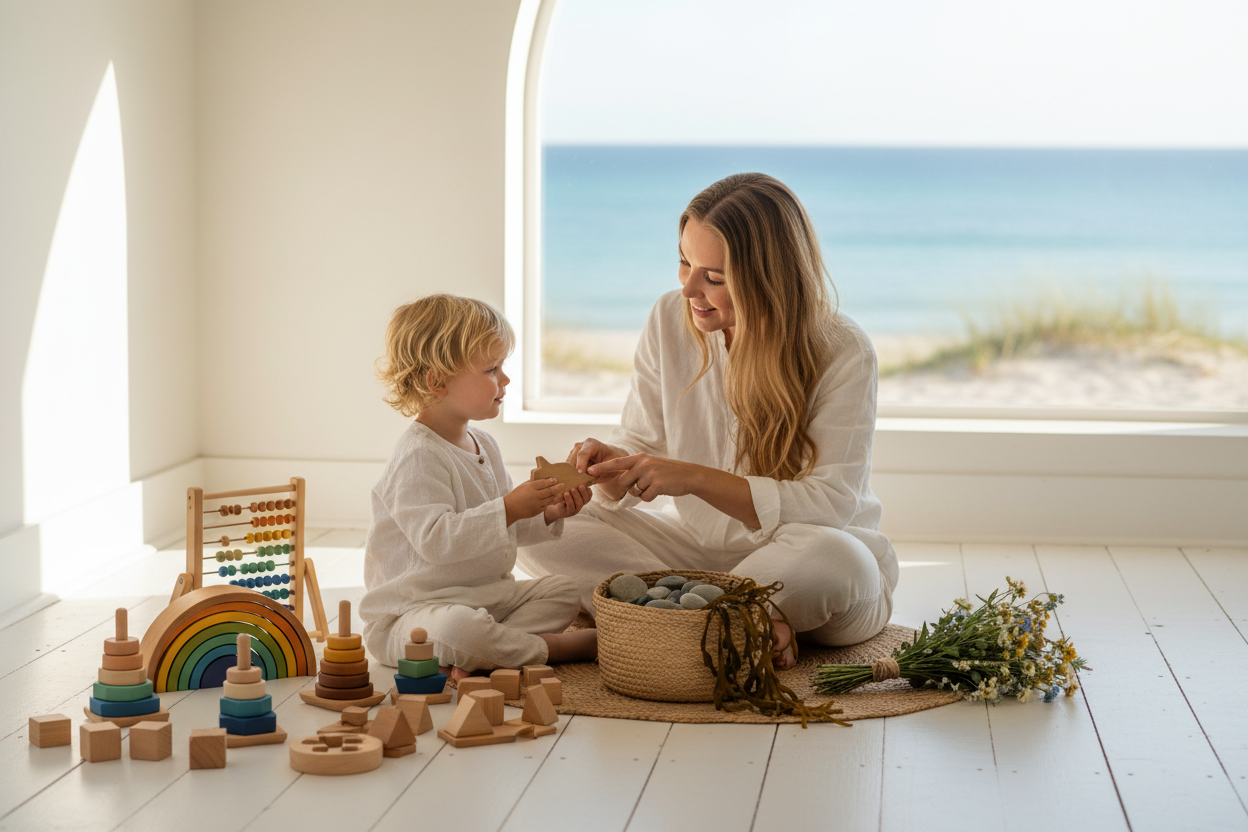
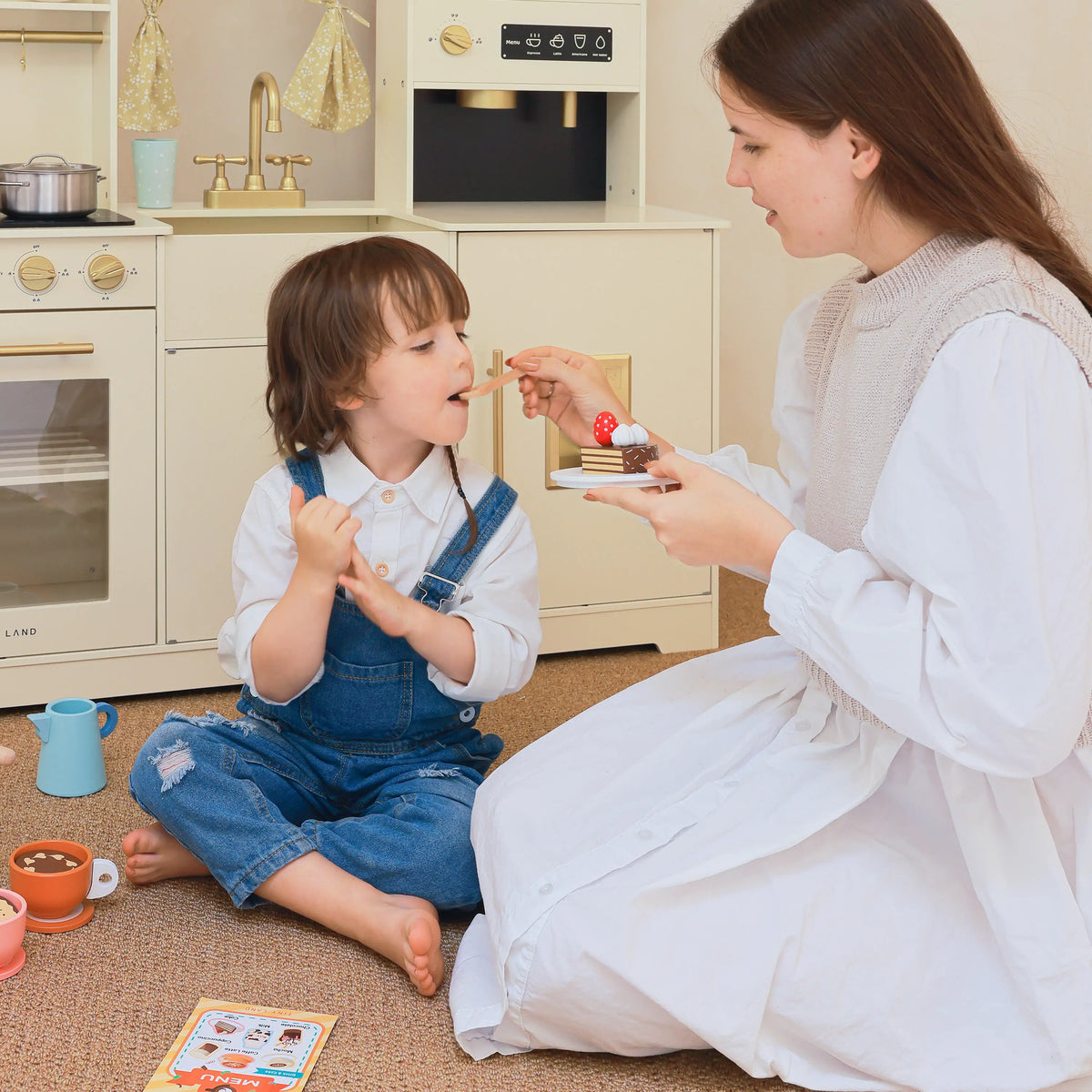
- Absolutely. Child-sized furniture, accessible materials, freedom of choice within limits, and hands-on learning tools can all be implemented at home. Many families use Montessori-inspired toys and activities to support development outside of school.
- How does Montessori differ from traditional schooling?
- Traditional schooling is typically teacher-led with standardized pacing and testing. Montessori is child-centered, allowing students to progress at their own pace through self-directed activities, with an emphasis on intrinsic motivation over grades.

Leave a comment
All comments are moderated before being published.
This site is protected by hCaptcha and the hCaptcha Privacy Policy and Terms of Service apply.